
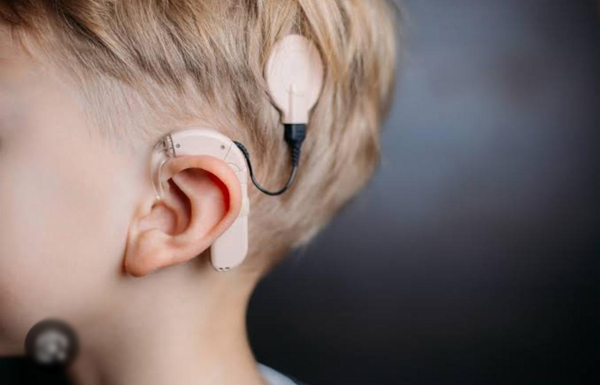
Severe or long-standing hearing loss can make everyday communication difficult, even when using strong hearing aids. Many individuals begin to feel disconnected from conversations, struggle to understand speech clearly, or find it exhausting to participate in social or work settings. Hearing aids amplify sound, but when the inner ear is too damaged to process those sounds, amplification alone isn’t enough. This is when cochlear implantation becomes a recommended option. Cochlear implants work by sending signals directly to the auditory nerve, allowing sound to be interpreted more naturally by the brain. Before suggesting this procedure, the person undergoes detailed hearing evaluations, speech tests, and medical assessments to determine whether the implant will provide meaningful improvement. Cochlear implantation has become more refined over the years, offering clearer sound quality, better adaptability, and improved results for individuals with severe to profound hearing loss. For many people, the procedure represents a chance to regain confidence, participate in conversations comfortably, and reconnect with sounds they may not have heard clearly in a long time. Understanding the benefits, rehabilitation process, and expected outcomes plays a crucial role in helping individuals make informed decisions about their hearing journey.
Those considering cochlear implantation often feel more confident when guided by a specialist who offers thorough evaluation, patient-friendly communication, and steady support throughout the entire process. Such structured and reassuring care is provided at Alivio Care ENT, where Dr. Vibhor Malhotra offers comprehensive assessments and personalised counselling for individuals exploring cochlear implant surgery. The experience typically begins with a detailed examination and clear explanation of whether the patient is a suitable candidate. People appreciate the comfortable, step-by-step guidance that helps them understand the procedure, preparation, and the rehabilitation involved after activation. Once the implant is placed, patients receive continuous support through device activation, sound mapping sessions, and long-term auditory training to help the brain adjust to new sound patterns. Many individuals value the supportive environment, updated surgical techniques, and consistent follow-up care that makes the entire process smooth and less overwhelming. With expert supervision and a personalised care plan, patients often experience significant improvements in speech clarity, better communication, and an overall boost in quality of life as they reconnect with the world of sound.


