
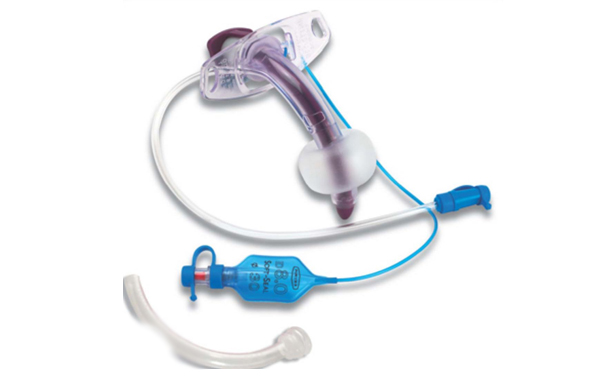
A tracheostomy is often recommended for individuals who need long-term assistance with breathing due to airway obstruction, chronic respiratory conditions, or recovery from major medical procedures. Once the tube is placed, regular maintenance becomes essential to ensure proper airflow, prevent blockage, and reduce the risk of infection. Over time, secretions, mucus buildup, and natural wear of the tube can interfere with smooth breathing, causing discomfort or difficulty while inhaling and exhaling. Some individuals may notice unusual sounds from the tube, increased coughing, dryness, or irritation when the tube requires replacement. A delayed or improper tube change can lead to complications that affect both breathing and overall health. Tracheostomy tube change is a procedure that needs to be performed with precision and care, as the airway is extremely sensitive. A trained specialist ensures that the change is done safely, quickly, and with minimal discomfort. With the right guidance and proper follow-up care, patients can maintain comfortable breathing, avoid infections, and manage their airway confidently in day-to-day life.
Individuals who need regular tracheostomy tube changes often feel more at ease when they are treated by a specialist who provides calm communication, advanced techniques, and gentle handling. This level of attentive care is offered at Alivio Care ENT, where Dr. Vibhor Malhotra provides structured evaluation and safe tube change procedures for tracheostomy patients. The process usually begins with a careful assessment to ensure the existing airway is stable before replacing the old tube with a new one. Patients and caregivers appreciate the clear explanation of each step, which reduces anxiety and helps them understand how to manage the tracheostomy effectively. Modern tools and sterile techniques are used to ensure the procedure is smooth and comfortable, even for individuals with sensitive airways or long-term tracheostomy needs. After the tube change, patients receive simple instructions on cleaning, monitoring for signs of blockage, and understanding when the next replacement may be required. Many people value the supportive environment, consistent follow-up, and the reassurance they receive, which makes managing a tracheostomy far less stressful. With careful guidance and steady support, individuals can maintain better respiratory comfort, improved safety, and greater confidence in their daily breathing routine.


