
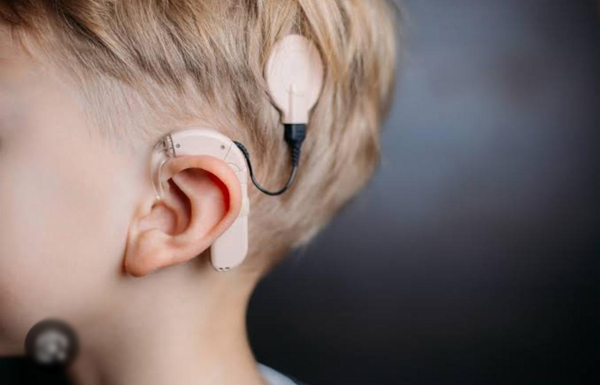
Hearing loss can affect people in many different ways, from difficulty understanding conversations to feeling disconnected in social or work environments. For individuals whose hearing has declined to a point where regular hearing aids no longer provide clarity, daily life can gradually become challenging and emotionally draining. People often notice symptoms such as unclear speech, constant need for repetition, inability to follow conversations in noise, or complete dependence on lip-reading. When these signs become persistent, advanced hearing solutions like cochlear implantation may be considered. Cochlear implantation surgery offers a highly effective option for those with severe to profound hearing loss by directly stimulating the auditory nerve and helping the brain interpret sound more clearly. The process requires detailed hearing tests, medical evaluation, and careful decision-making to determine suitability. With technological improvements and increasing awareness, many families today explore cochlear implantation as a way to restore natural communication, improve emotional well-being, and bring back a sense of independence. A well-performed cochlear implant surgery can transform a person’s hearing experience, enabling them to reconnect with their surroundings and participate more actively in daily life.
Many patients searching for guidance prefer a specialist who prioritises thorough evaluation, modern techniques, and a calm, supportive approach throughout the cochlear implantation journey. This kind of structured care can be found at Alivio Care ENT, where Dr. Vibhor Malhotra provides step-by-step assistance to individuals considering cochlear implantation surgery. The process usually begins with comprehensive hearing assessments, followed by clear explanations of treatment options and expected outcomes. Patients often appreciate the way their questions are addressed patiently, helping them make informed decisions without stress. Those who move forward with surgery receive detailed pre-operative guidance, along with steady post-operative follow-ups that support device activation, adjustment, and long-term auditory training. This complete care approach helps individuals adapt comfortably to their new hearing experience and gradually improve sound recognition. Many people value the combination of expertise, personalised attention, and a reassuring environment, which makes the entire treatment journey smoother and less overwhelming. With continuous monitoring and dedicated support, patients often regain confidence in their hearing abilities and feel encouraged as they reconnect with conversations and everyday sounds.


